Eséka District · Cameroon · Est. 2024

Memory Along the Railway

The Écomusée de Malumé is a community initiative dedicated to preserving the oral histories, intangible heritage, and engineering legacy of colonial railway construction in central Cameroon — before these memories disappear forever.

4
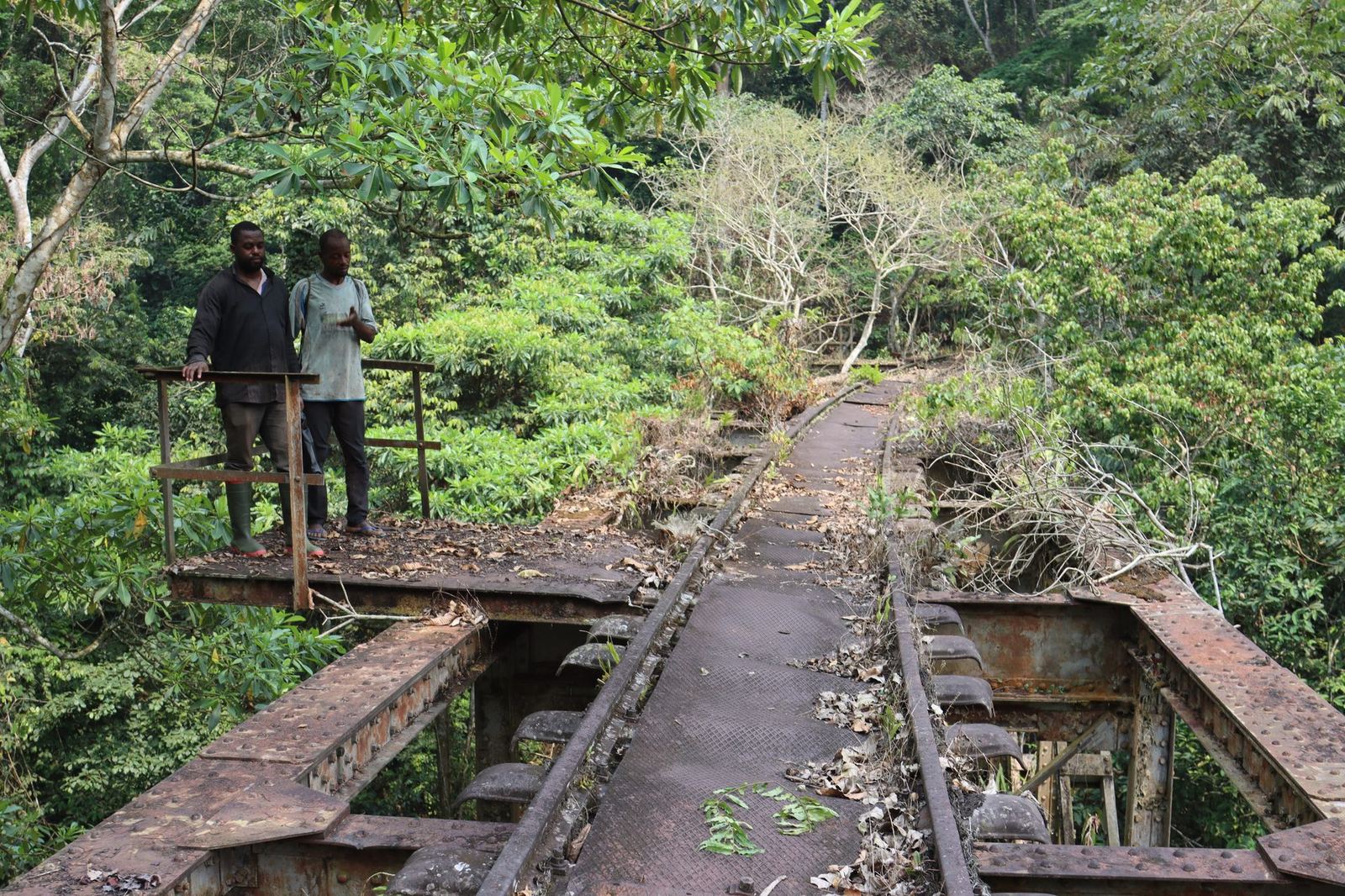
Metallic railway bridges still standing in tropical forest
Njock
Symbol of collective memory — forced labour, deportation, resilience
~100 ans
Of unrecorded oral history at risk of vanishing as elders pass
Scroll

The Project

A Community Initiative to Preserve an Endangered Heritage

The Écomusée de Malumé is a community-led heritage project centred on the Malumé region of the Eséka district, in the Centre Region of Cameroon. It focuses on a stretch of the colonial railway — the Mittelbahn — built in the early twentieth century through one of the most demanding terrains in equatorial Africa.

Beneath the tropical canopy that has gradually reclaimed the embankments, cuttings, and metallic bridges, lie stories rarely told: of forced labour and deportation, of families torn apart, of communities reshaped by colonial domination — and of the quiet resilience of those who lived through it all.

Our mission is to document and safeguard this heritage — through oral history recording, linguistic documentation, photographic archives, and community engagement — before the last witnesses are gone. As a legally registered association, we work with the authorisation of Cameroonian cultural authorities and in close partnership with local communities and academic institutions.
📖 Oral History 🏛️ Intangible Heritage 🛤️ Railway Heritage 🌿 Ecomuseum 🤝 Community-led 🎓 Academic Partnership
Infrastructure ferroviaire coloniale, Malumé
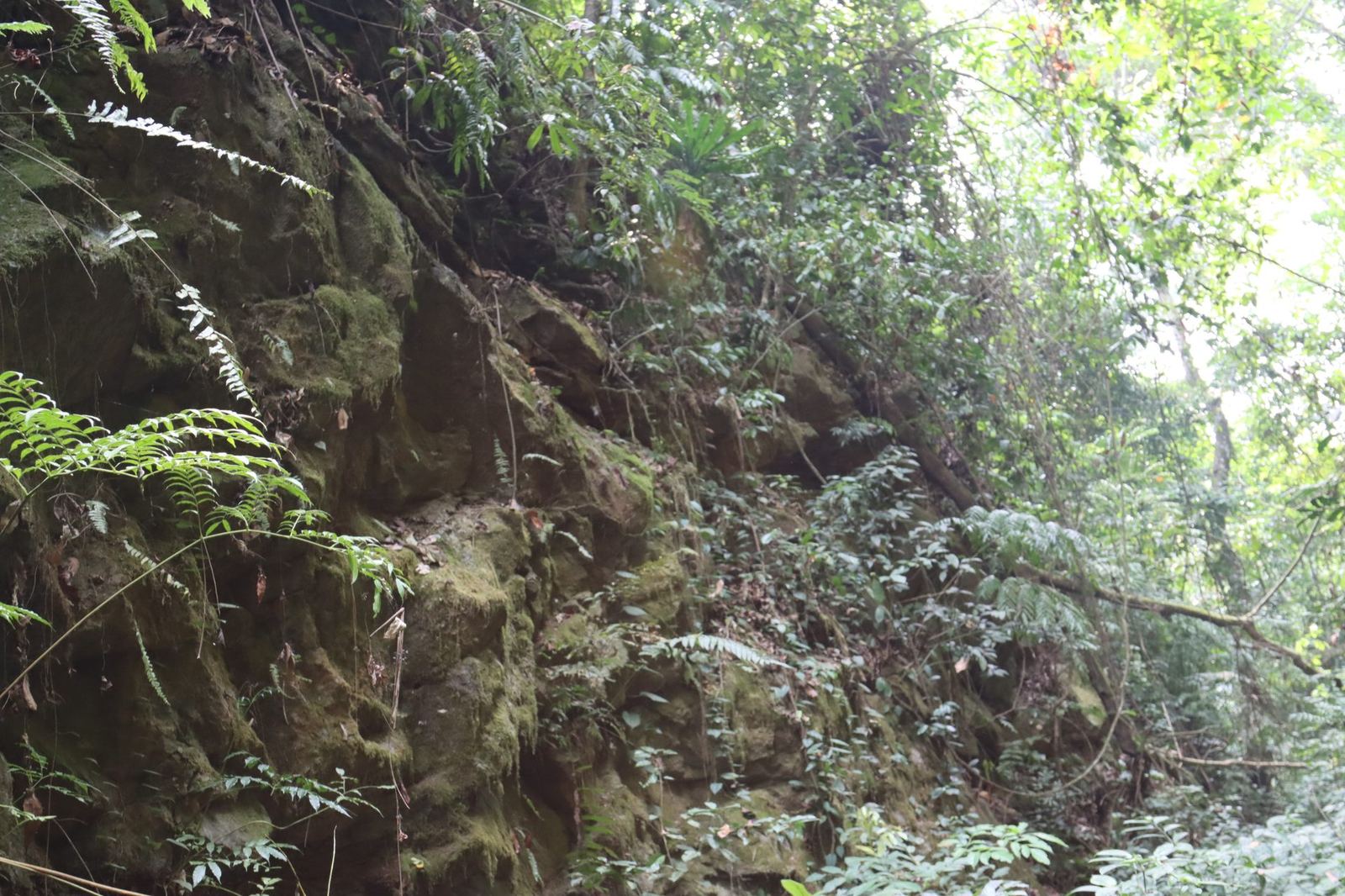
Sites reconfigurés, région de Malumé

Sites reconfigured by history — landscapes that conceal a painful past. © Emmanuel Ngue Um
What We Do

Four Pillars of the Project

Our work spans memory preservation, natural heritage, community engagement, and academic research.

📖

Oral History

Recording testimonies from elders across communities linked to the colonial railway — in Bulu, Fang, Ewondo, Sawa, and other indigenous languages.

🛤️

Railway Heritage

Documenting the surviving civil engineering works — bridges, cuttings, embankments — as places of memory and as remarkable architectural achievements.

🌿

Natural Setting

Integrating the ecological richness of the Malumé landscape — waterfalls, caves, dense rainforest — as an inseparable dimension of the heritage experience.

🎓

Research & Transmission

Building a scholarly archive — transcriptions, linguistic data, translations — to support intergenerational transmission and future academic inquiry.

The Heritage Story

Njock: A Place that Became a Word

How a village near Eséka entered the collective consciousness of an entire people — as a lasting symbol of coercion, loss, and survival.

c. 1906–1914

The Mittelbahn Construction

German colonial engineers begin driving the central railway line through the dense equatorial forest of central Cameroon. The Malumé section, with its steep terrain, river crossings, and rocky outcrops, becomes one of the most labour-intensive stretches of the entire project.

1914–1918

Njock: The Labour Camp that Shaped a Language

At Njock, a village near Eséka, men are deported from communities across Cameroon and beyond — from Liberia, Togo, Nigeria. Prolonged confinement, high mortality, and family separation leave deep scars. Women travel long distances to bring food and care to those held there.

Post-1918

From Toponym to Living Memory

'Njock' transcends its geographic meaning. In Fang communities, the expression O ta' ke ma Njock — 'do not coerce me' — enters everyday speech as a metaphor for extreme constraint. Comparable expressions spread across Sawa, Eton, Ewondo, Bafia, and Yambasa communities — a shared linguistic scar of colonial violence.

Today

A Heritage Under Threat

As the last eyewitnesses and their descendants age, as the forest steadily reclaims the railway infrastructure, the window for preservation is closing. The Écomusée de Malumé was created precisely to act before it is too late.

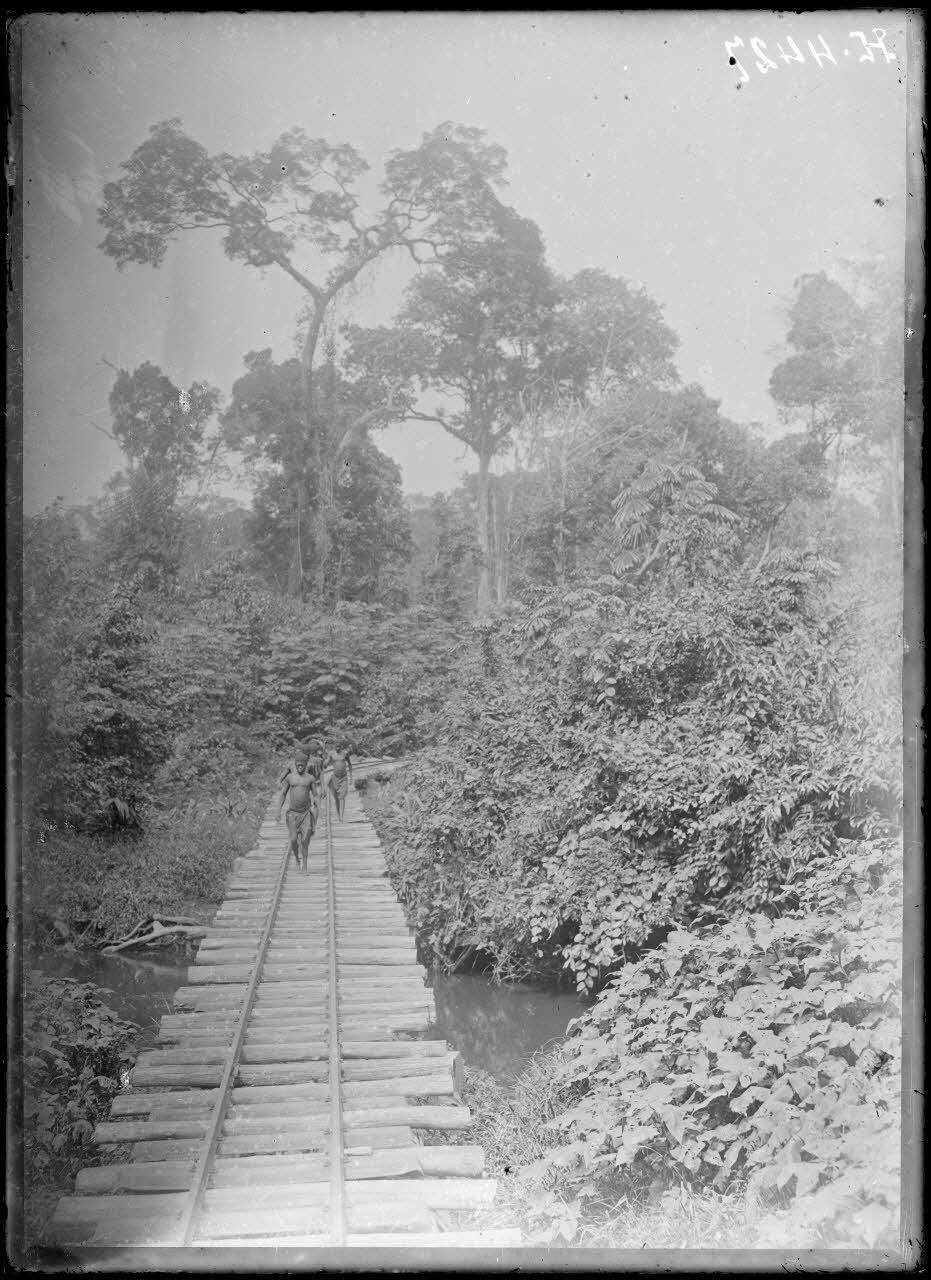
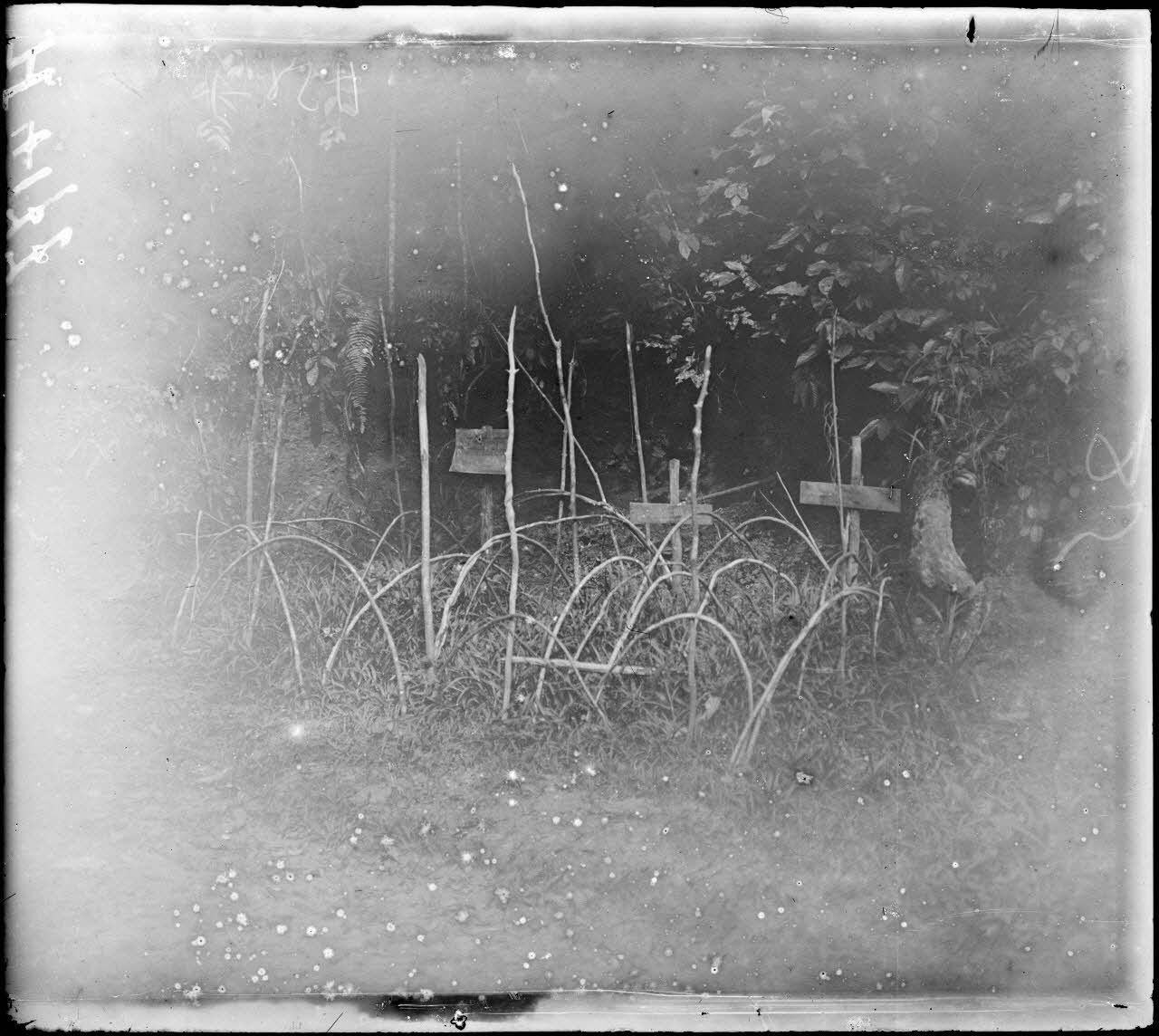
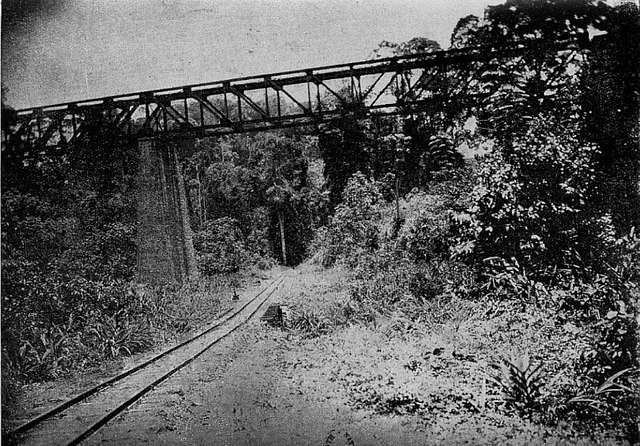
Pont sur le Pomlep, époque coloniale Archive coloniale Archive coloniale

Archive photographs of the Mittelbahn construction, c. 1916–1918.

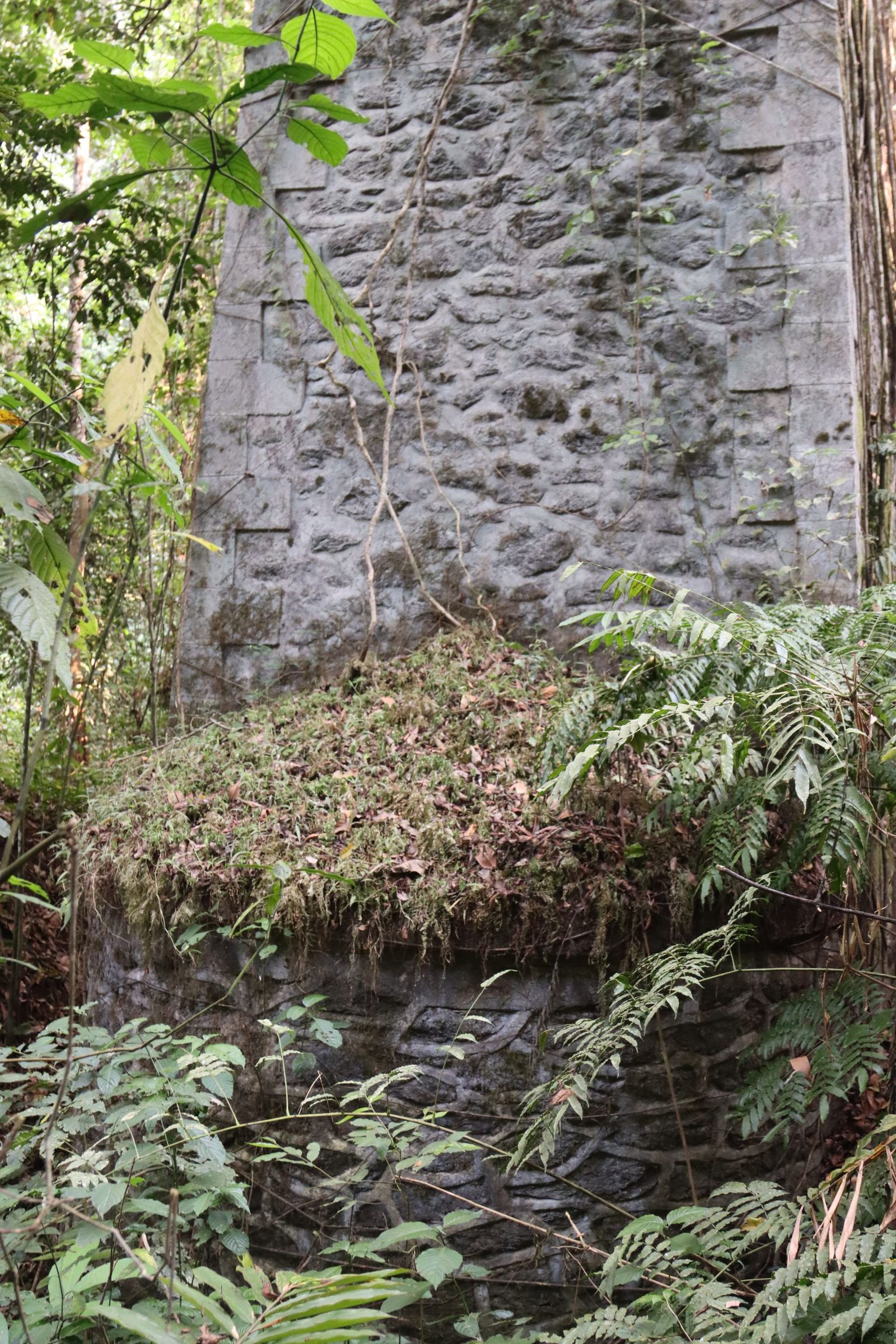
Au-delà du travail forcé — ouvrages d'arts magnifiques

Beyond forced labour — remarkable engineering works that still stand today. © Emmanuel Ngue Um

“Njock truly represents, in the collective memory, this space of violence and tragedy — one might say it is the equivalent of Auschwitz. Not in that exact context. But it is truly a space of deportation where people were forced to work in order to free themselves and regain their liberty.”
— Prof. René Aristide Rodrigue Nzameyo, Head of Philosophy, École Normale Supérieure, Yaoundé. Testimony recorded 2026.

Oral Archive

Voices of Living Memory

Each recording in our archive captures a living chain of memory — stories transmitted from those who experienced the railway to those who carry their names today.

Testimony — Ngovayang Prof. René Aristide Rodrigue Nzameyo · École Normale Supérieure, Yaoundé · Recorded February 2026

Transcript excerpt — Ngovayang interview

Interviewer: “What does the name 'Njock' evoke for you?”

Prof. Nzameyo: “Among us the Fang, Njock is a place of forced labour — linked to the construction of the railway, particularly to stonework. In my own family it carries a painful memory. My uncle spent four years there. He volunteered to go back a second time so that my father, who was physically frail, would be spared. Everything we are, my father used to say, we owe to his elder brother — because had my father perished at Njock, none of us would ever have been born.”

Languages documented include Fang, Bulu, Ewondo, and French. Full transcripts available in the project archive.

Share Your Story

Do You Have a Story About Njock?

Thousands of workers — their names unrecorded, their sacrifices unacknowledged — built the Cameroonian railway under colonial compulsion. Many community members today carry their memory in family stories, place names, and oral traditions. These accounts are irreplaceable.

The Écomusée de Malumé is collecting testimonies from anyone who has a story to share — about Njock, about the railway, about the communities along the Mittelbahn. We welcome accounts in any language: French, English, Fang, Bulu, Ewondo, or other Cameroonian languages.

Not sure what kind of story counts? Watch Prof. Nzameyo's testimony (right) — a family memory kept alive across three generations.

Or reach us directly on WhatsApp: +237 677 06 68 03

Prof. René Aristide Rodrigue Nzameyo · Head of Philosophy, ENS Yaoundé · Recorded February 2026

Share: f 𝕏 📷 ▶ W

Help us reach those who carry this history — share the video with your network.

The Team

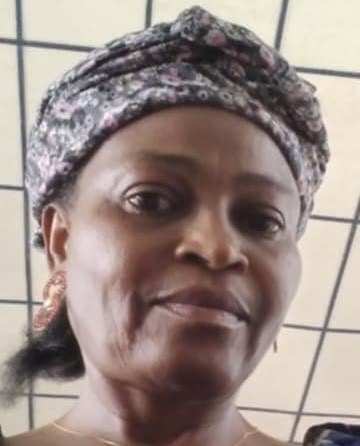
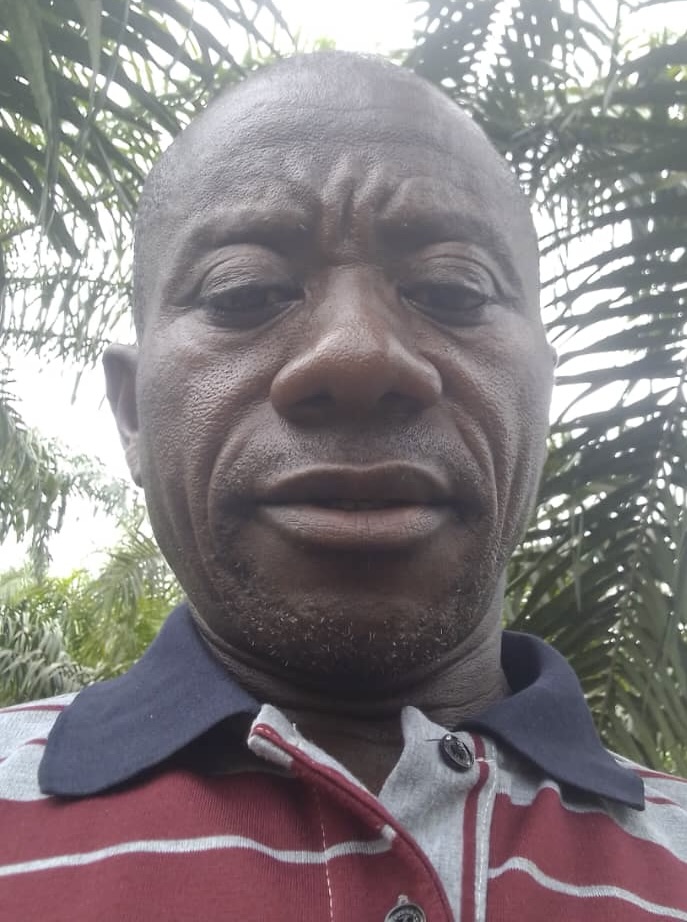
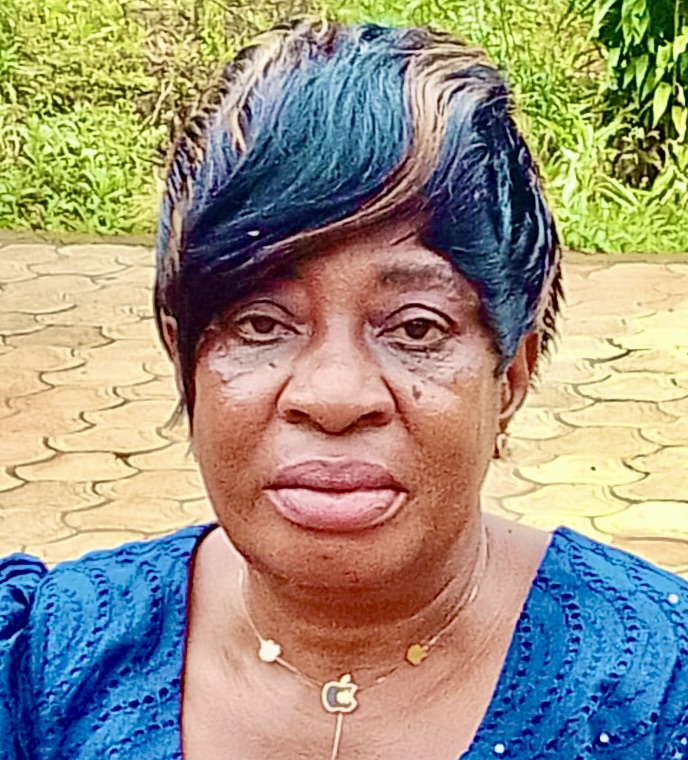
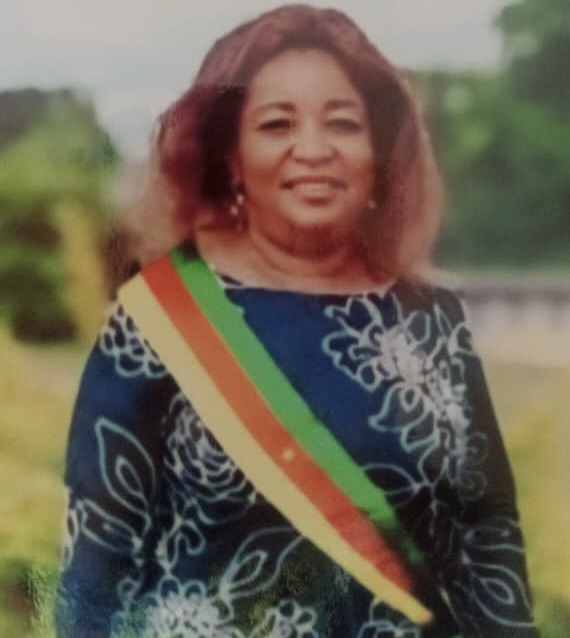
Executive Board

The Écomusée de Malumé is governed by a community-elected board, as registered with the Divisional Office of Eséka under Association Declaration Receipt No. 004/RDA/J08/A2.

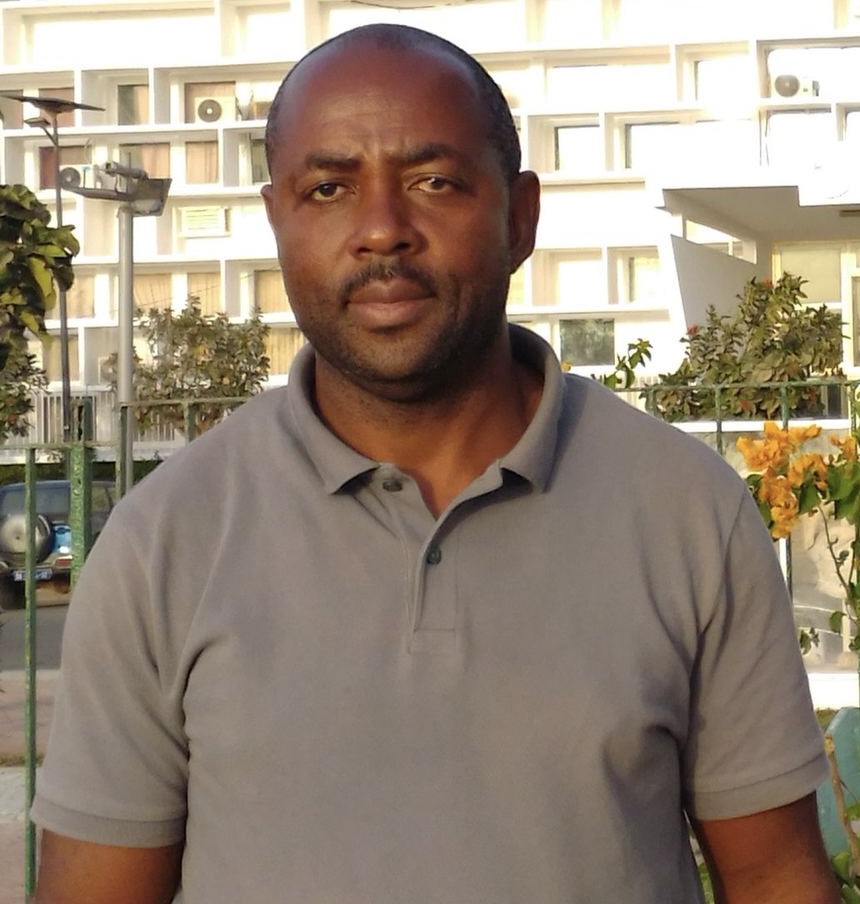
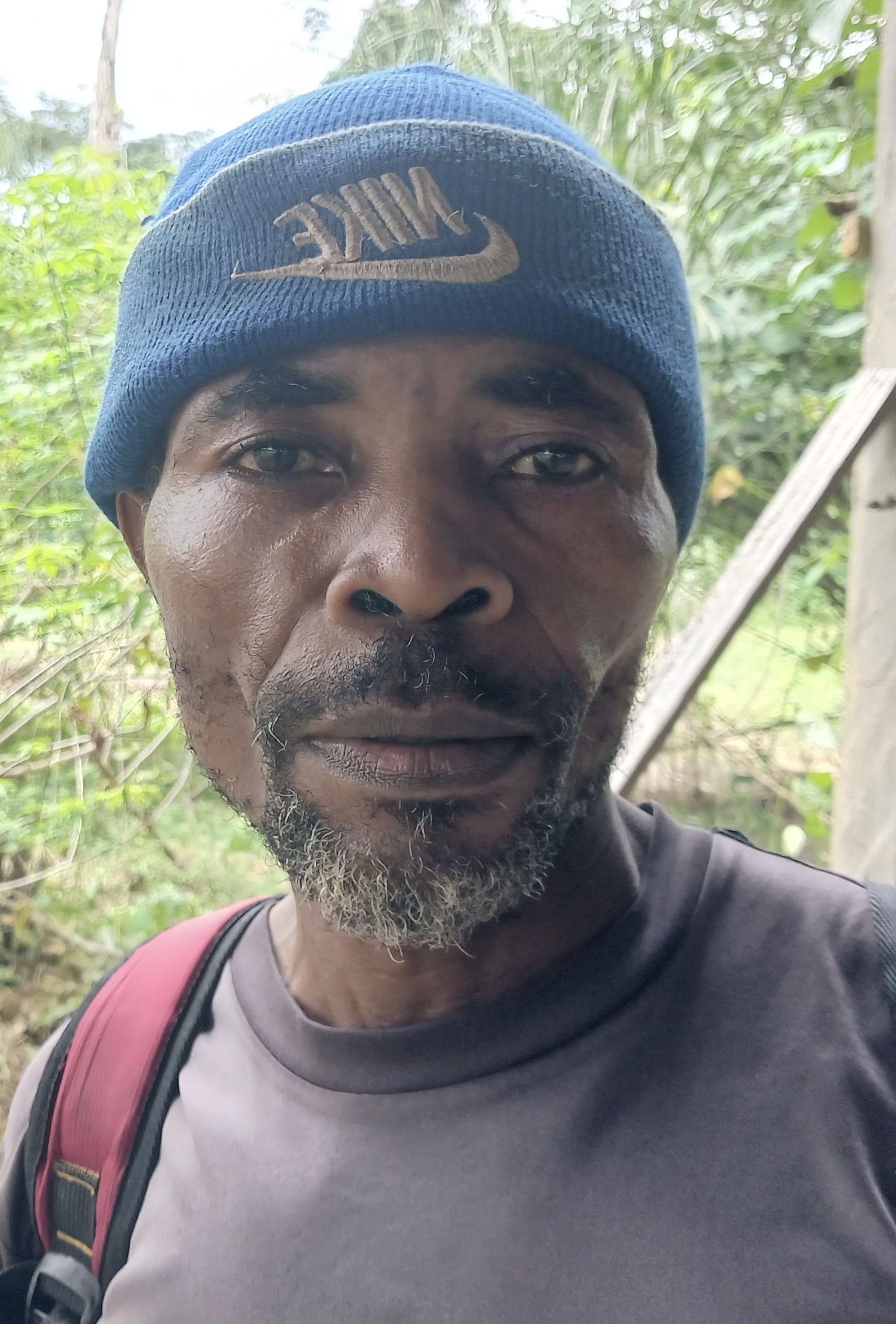
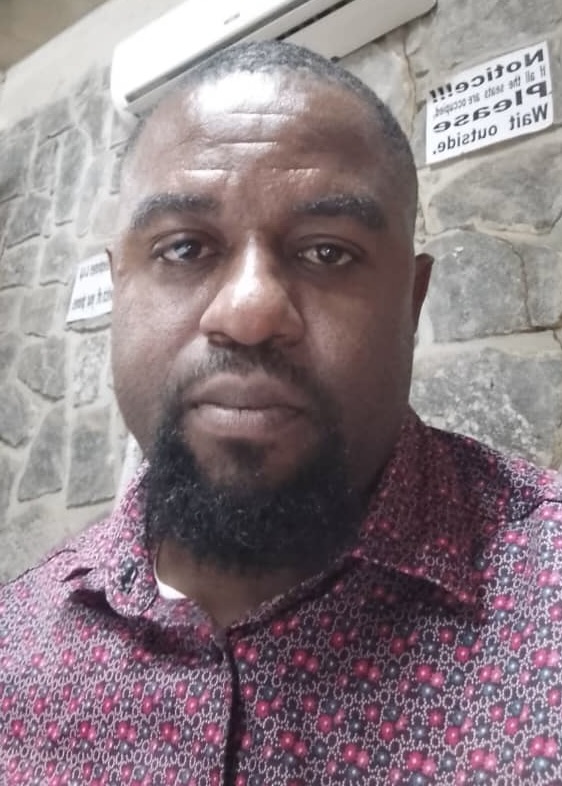
M. Emmanuel NGUE UM
Executive President
M. Emmanuel NGUE UM
Mme Julienne BIKOE
Vice-President
Mme Julienne BIKOE
M. Nicolas MBAGA
Secretary General
M. Nicolas MBAGA
Mme Marie Claire NGO NJOCK NYOM
Deputy Secretary General
Mme Marie Claire NGO NJOCK NYOM
M. Zacharie NYOBE
Treasurer
M. Zacharie NYOBE
Mme Marie Cécile NGOI épse NGUIDJOL
Auditor
Mme Marie Cécile NGOI épse NGUIDJOL
M. Joseph NLOME
Curator
M. Joseph NLOME
M. André Pascal LIKWAI
Advisor
M. André Pascal LIKWAI
M. Blaise Mathieu BANOUM MANGUELE
Advisor
M. Blaise Mathieu BANOUM MANGUELE
Censor
M. Calvin YOMBA

Collaborate

Join the Écomusée de Malumé

We are actively seeking academic partners, researchers, students, and institutions who share our commitment to memory, heritage, and community history. Here is how you can get involved.

🎓

Academic & Research Partnership

We welcome historians, linguists, anthropologists, heritage specialists, and digital humanists. Joint fieldwork, co-authored publications, and thesis supervision are all possibilities.

Propose a Partnership
📷

Documentation Fieldwork

Join missions to the Malumé region. We are looking for photographers, video producers, language documenters, and transcribers — especially those with skills in Cameroonian languages.

Express Interest
🗄️

Archival Research

Oral testimonies will be triangulated with documentary sources at the Bundesarchiv-Lichterfelde (Berlin) for German colonial records on the Mittelbahn, and the Archives Nationales d'Outre-Mer / ANOM (Aix-en-Provence) for French mandate-era administrative files. Collaboration with archivists and historians working on these collections is especially welcome.

Contact the Team
💡

Institutional Support

Universities, foundations, and cultural institutions can contribute through funding, equipment, event hosting, or facilitating archive access. We are open to all forms of partnership.

Get in Touch

Contact

Let's Build This Together

Whether you are a researcher, student, cultural institution, or someone who simply cares about this history — we want to hear from you. The right partnerships now will shape what we are able to accomplish.

💬
📮
Postal address Association Écomusée de Malumé
AB P.O. Box 61
Eséka, Cameroon
📍
Headquarters Souhè, Eséka Sub-Division, Nyong-and-Kellé Division, Centre Region, Cameroon

For academic enquiries

Please mention your institutional affiliation and research area in your message so we can respond appropriately.

We aim to respond within 5 business days. Your information will not be shared with third parties.